Energy-saving tips
Simple power-saving tips that immediately reduce your electricity costs
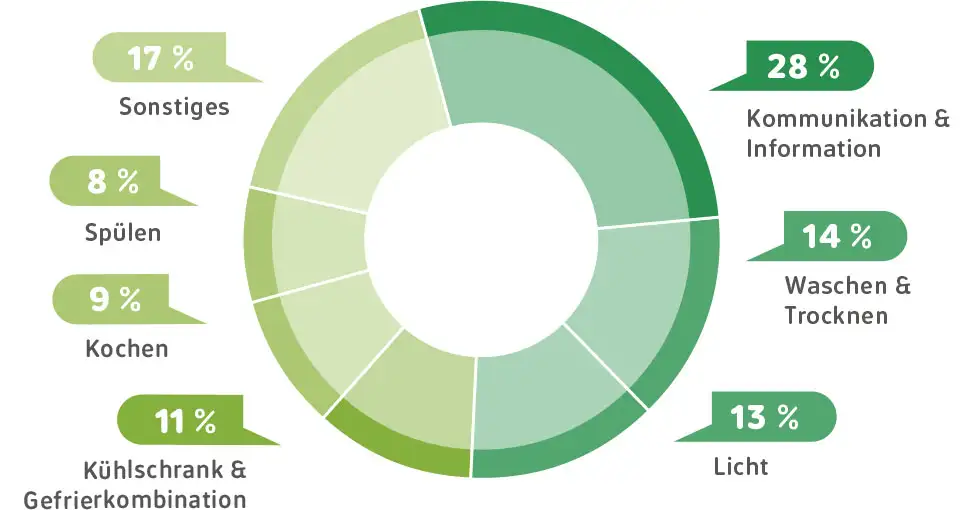
Energy guzzlers are no longer up to date, especially in view of rising energy costs. By identifying household devices with high consumption, you can save a significant share of your electricity costs and act more sustainably at the same time. Energy consumption in private households breaks down as follows:
Do you want to reduce your electricity bill? Then there are many measures available to help you save power and effectively lower your energy costs. From replacing energy-hungry household appliances and using electricity more efficiently to switching your tariff or provider: discover effective levers for saving electricity.
Easy-to-implement tips that immediately save electricity costs
Even older refrigerators and freezers usually allow you to regulate the temperature. Experts recommend 7°C for a refrigerator and -18°C for a freezer. Raising the temperature by one degree Celsius increases the device's electricity demand by a full 6%.
Saving energy becomes easier if you defrost your freezer regularly. Thick ice layers on the walls of the freezer can increase electricity consumption by around 15%.
Preferably thaw frozen food in the refrigerator. Hot food, on the other hand, should cool down before being stored in the fridge. This helps you lower your electricity bill by avoiding additional energy demand caused by temperature fluctuations.
Washing machines, dishwashers and dryers often come with special eco programs. These can save electricity because cleaning takes longer but happens at lower temperatures.
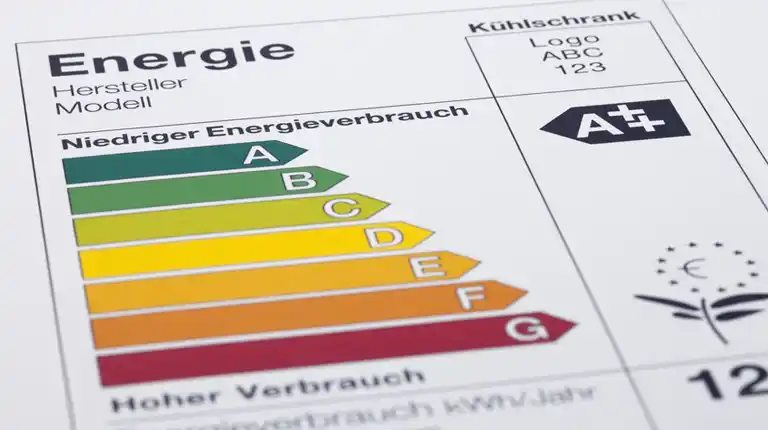
When buying new electronic household appliances, the energy-efficiency class should be an important criterion. By choosing at least a class B device, or better yet A or A+, you can lower your electricity consumption in a targeted way.
One of the biggest obstacles to saving electricity is the frequently used standby mode of televisions and other electronics. Use smart plugs or multi-socket power strips that can easily be switched off with a toggle switch.
Choose energy-saving or LED lamps for lighting in your home. The former use about 70% less electricity, while LEDs use up to 80% less.
In the kitchen, you can reduce energy use by heating the required water in an electric kettle first. It consumes less electricity than a stovetop. Only when heating volumes above 1.5 liters can an induction stove become more efficient.
In many cases, you can skip preheating the oven. You can also use the oven's residual heat to finish cooking food by switching the appliance off a few minutes earlier.
Check your electronic devices with a measuring device to determine their actual energy consumption. Homeowners can also use the consumer center's home energy consultation services available in their area.
More instant electricity-saving tips for the bathroom
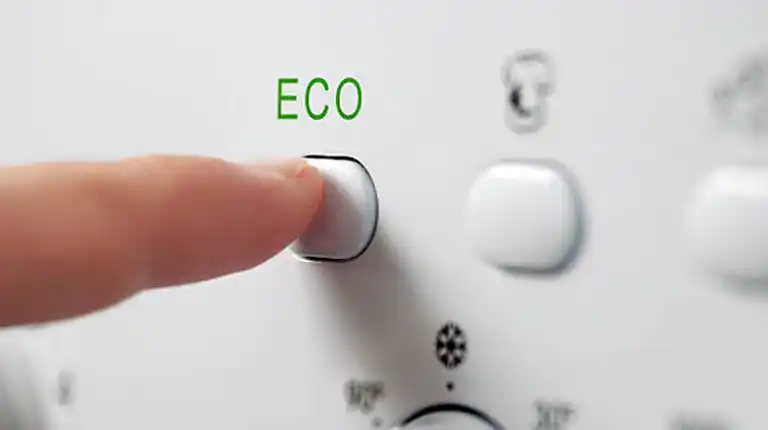
In the bathroom, simple electricity-saving tips can help you benefit from lower energy consumption.
Resist the temptation to leave your toothbrush and electric shaver plugged in. This avoids leakage current and also protects your devices' batteries.
Use the hair dryer at the lowest temperature setting. This protects not only your hair, but also your wallet and the environment.
If your hot water is heated with electricity, a water-saving shower head can help you save energy. It mixes air into the water stream and reduces consumption by around 40%.
Avoid using the tumble dryer in favor of a drying rack. If that is not possible, run the appliance for as little time as possible to save electricity.
More electricity-saving tips for the kitchen
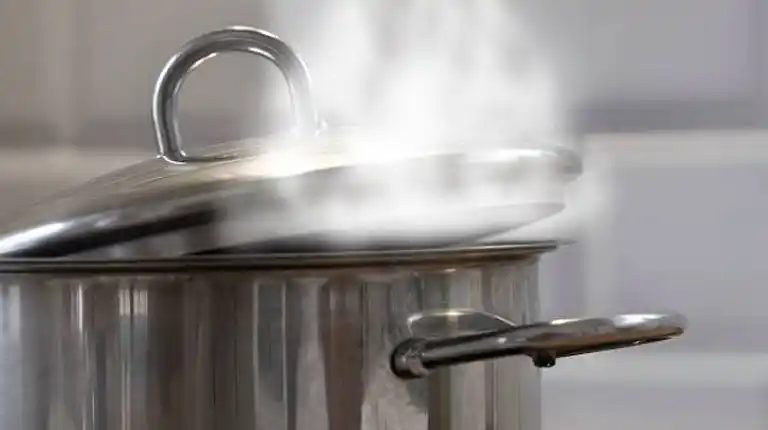
The following electricity-saving tips can help you in the kitchen:
Use a lid when cooking and you can save up to three quarters of the energy consumption.
Use your oven with convection instead of top and bottom heat. This saves around 40% electricity. Reheating bread rolls in a toaster can even save more than 70%.
A microwave needs less energy than a stove when reheating food.
Dishwashers are actually more efficient than washing dishes by hand. Make sure the appliance is fully loaded and use the eco program. Monthly cleaning with salt helps remove grease and can reduce energy costs. The refrigerator should not stand near heat sources or in direct sunlight. Dust on the back near the heat exchanger should also be removed regularly.
Saving energy throughout the home
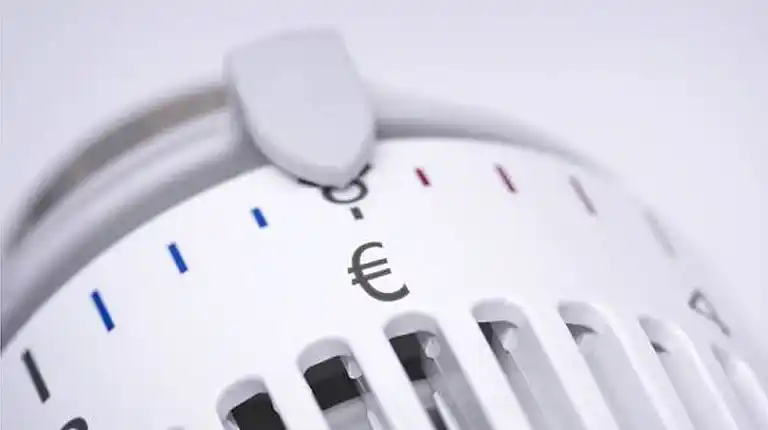
You can save electricity costs in the living room, bedroom and children's rooms as follows:
Avoiding standby mode for entertainment electronics can save three-digit amounts per year. Smart sockets can be switched off centrally when you leave the house.
Extensive features and large screen sizes of your TV go hand in hand with higher electricity consumption. Old CRT televisions are real power guzzlers, while LED devices are especially efficient. Not only by reducing your electricity consumption, but also through conscious heating habits, you can sustainably lower your energy costs.
Conclusion
Even simple measures can drastically reduce your electricity bill. Not only purchasing energy-efficient household appliances, but also using electricity and energy more consciously in general can noticeably ease your budget, for example by regularly defrosting the freezer or using a water-saving shower head to reduce electricity needed for hot water preparation.